Release time:2026.06.18 | view count:535
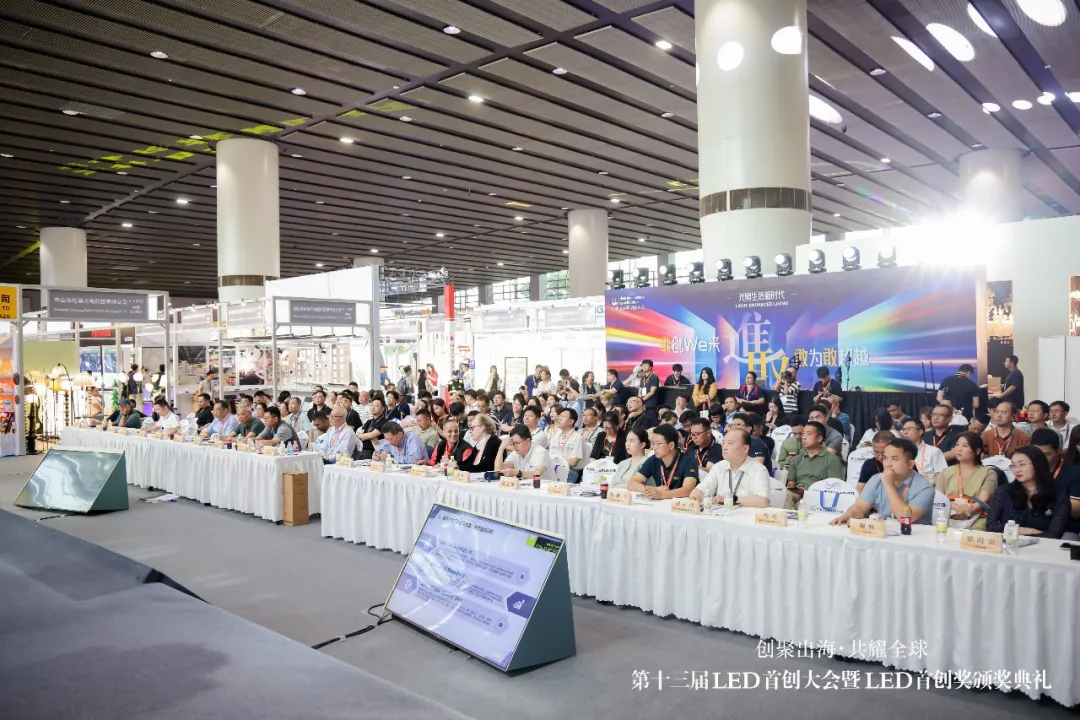
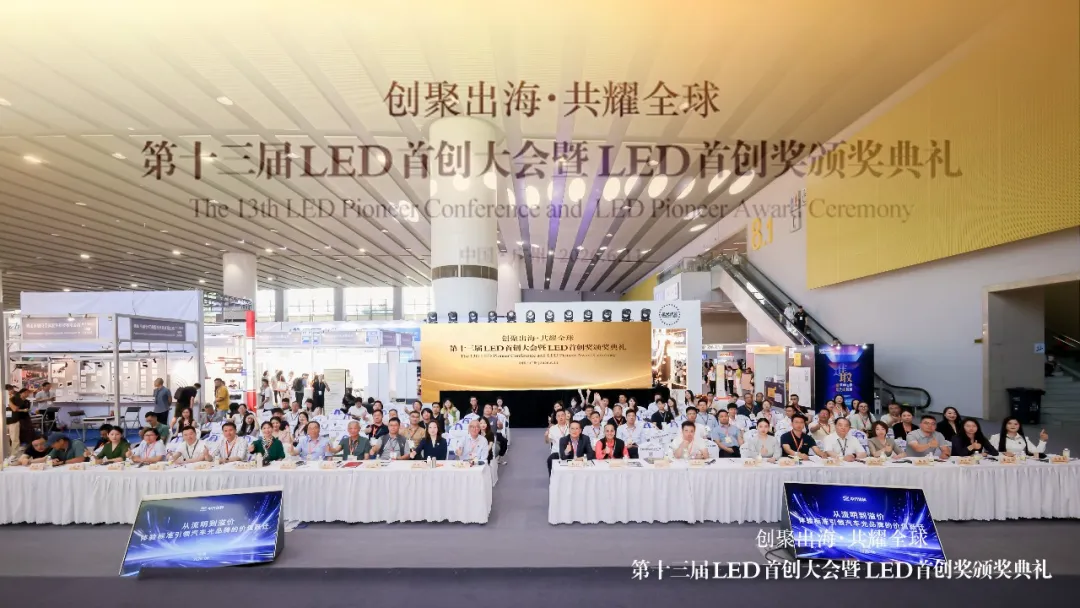
In June, the City of Guangzhou brimmed with waves of light and energy. Under the theme "Innovation Convergence for Global Expansion — Shining Together Worldwide," the 13th LED Pioneer Summit and LED Pioneer Award Ceremony grandly opened at Booth A02, Hall 8.1 of the Guangzhou International Lighting Exhibition (GILE). Organized by the China LED Pioneer Award Organizing Committee and supported by the Global Lighting Procurement Federation (GLPF), the event brought together leading representatives from industry associations, research institutions, and global LED supply chain enterprises to jointly explore new pathways for the internationalization of China's LED industry.
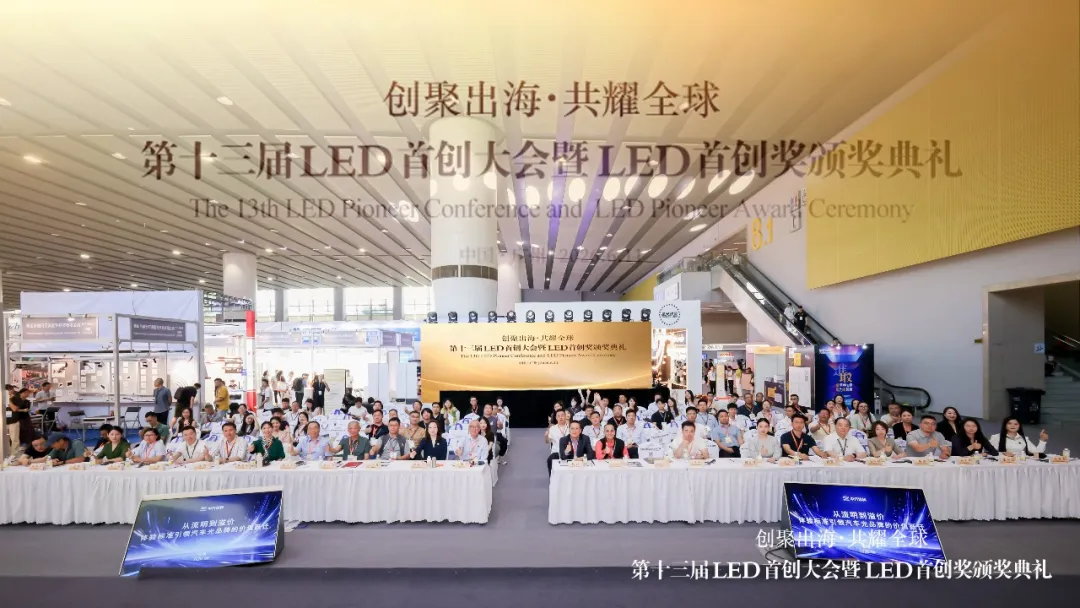
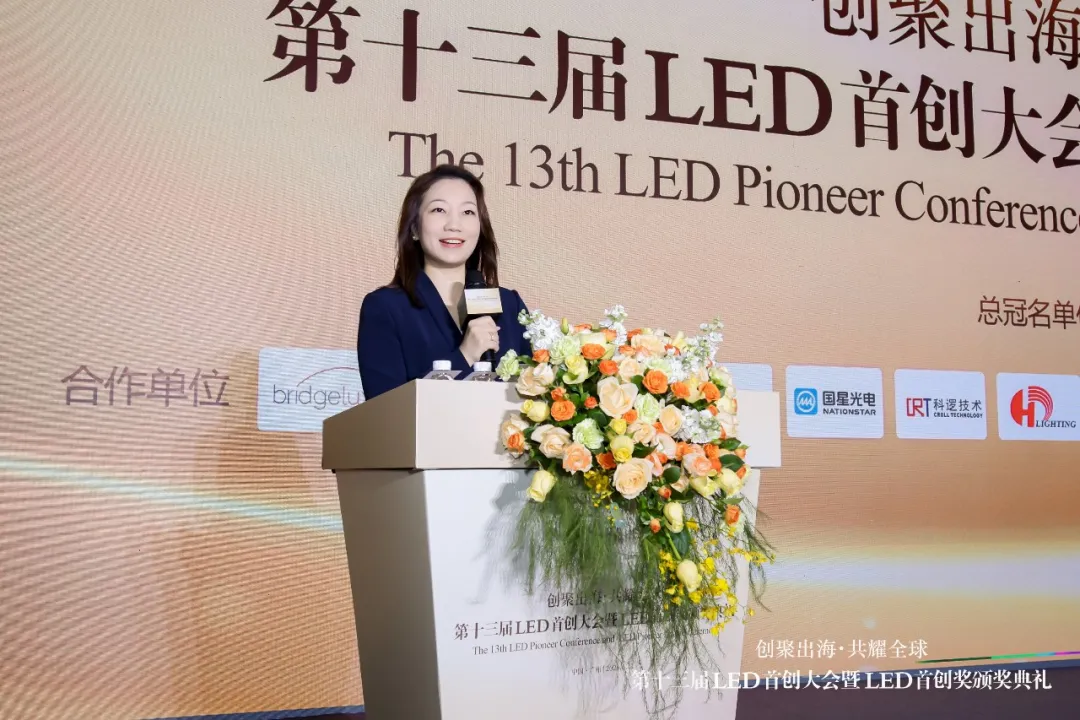
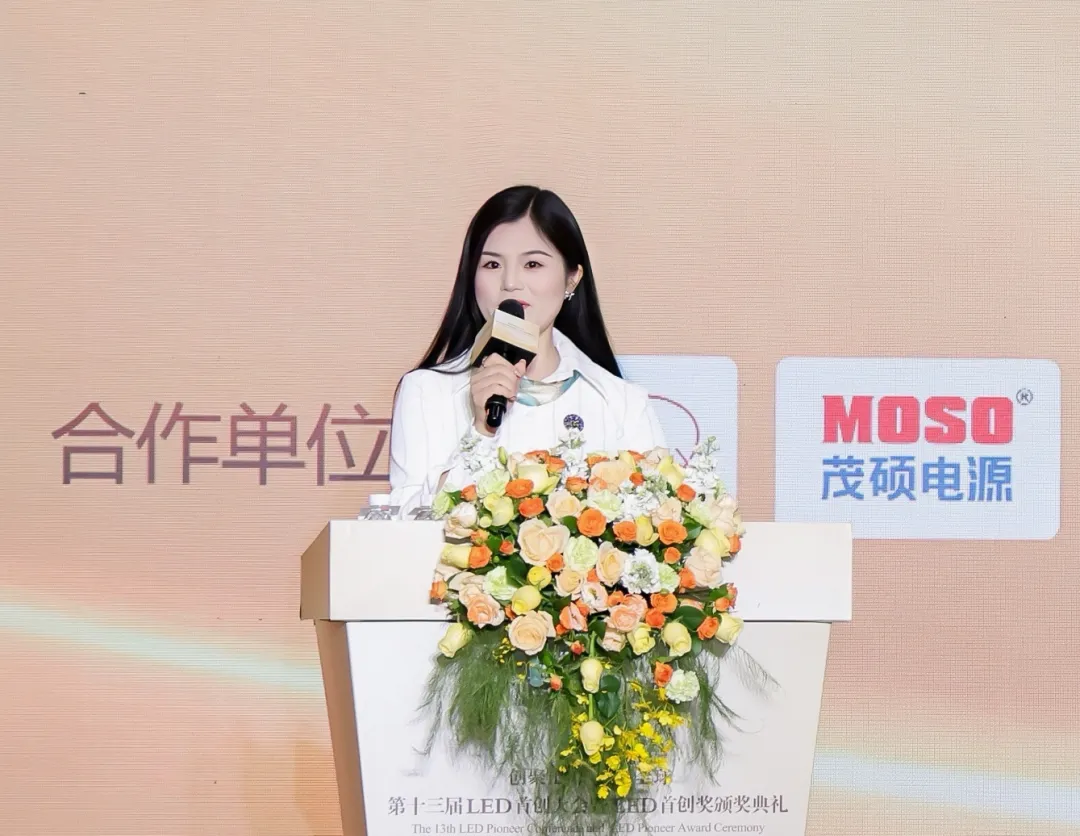
Opening ceremony hosted by: Helen Zeng, President of SLDA and Executive President of GLPF
Distinguished guests in attendance included:
·Tang Guoqing, Vice President of the China Illuminating Engineering Society (CIES)
·Helen Zeng, President of SLDA and Executive President of GLPF
·Shi Weili, Special Advisor, Shenzhen Lighting & Display Industry Association
·Charlie Chen, President of the Global Lighting Procurement Federation (GLPF)
·Ling Yingming, Honorary Chairman of Zhejiang Lighting Electrical Appliances Association
·Huang Feng, Chair of DALI Alliance China Focus Group
·Dr. Amardeep M. Dugar, Board Director & Chair of the Global Development Committee, IES
·Mark Lien, Industry Advisor, IES
·Prof. Lin Yandan, School of Intelligent Robotics and Advanced Manufacturing, Fudan University
·Prof. Qian Keyuan, Graduate School at Shenzhen, Tsinghua University
·Prof. Zhao Haitian, School of Architecture and Urban Planning, Shenzhen University
·Yang Jing, Chief Expert, China Automotive Technology and Research Center Co., Ltd.
·Yue Gang, General Manager, Shanghai Fuzhan Intelligent Technology Co., Ltd.
·Tu Wu, Dean, Yishan Vehicle Lighting Research Institute (subsidiary of Hongli Zhihui)
·Dr. Yan Chunhui, CEO, Nawei Lang Optoelectronics Technology (Hebei) Co., Ltd.
·Xiao Yi, General Manager, Kelog Technology (Shenzhen) Co., Ltd.
·Li Hailang, Senior Trade Analyst, International Trade Data Technology Co., Ltd.
·Li Yurong, R&D Director, Optoelectronic Devices BU, Foshan NationStar Optoelectronics
·Wang Chang, Product Director, Shenzhen Moso Electronics Technology Co., Ltd.
·Xie Hui, GM of Indoor Lighting Division, Jiangxi Jinhuang Technology Group Co., Ltd.
·Yuan Xuecheng, Director of Automotive Lighting Product Line, Goertek Optics (Shanghai)
·Zhang Li, VP of Operations, MYNICE
·Liu Lihua, General Manager, Guangdong Dopodi Energy Technology Co., Ltd.
·Lin Canbiao, General Manager, Shenzhen Fenzhi Industrial Co., Ltd.
·Cao Lei, General Manager, Wenzhou Qingda Guangde Health Technology Co., Ltd.
·Zheng Sizhe, Deputy General Manager, Shenzhen Huadian Lighting Co., Ltd.
·Wang Rui, General Manager, Inner Mongolia Guochuang Rare Products Technology Co., Ltd.
·Zhou Chuanjun (COOPER Lighting Procurement Manager)
·Yang Yaoli (Best Lighting Procurement Director)
·Association leaders, academic experts, enterprise delegates, and media representatives
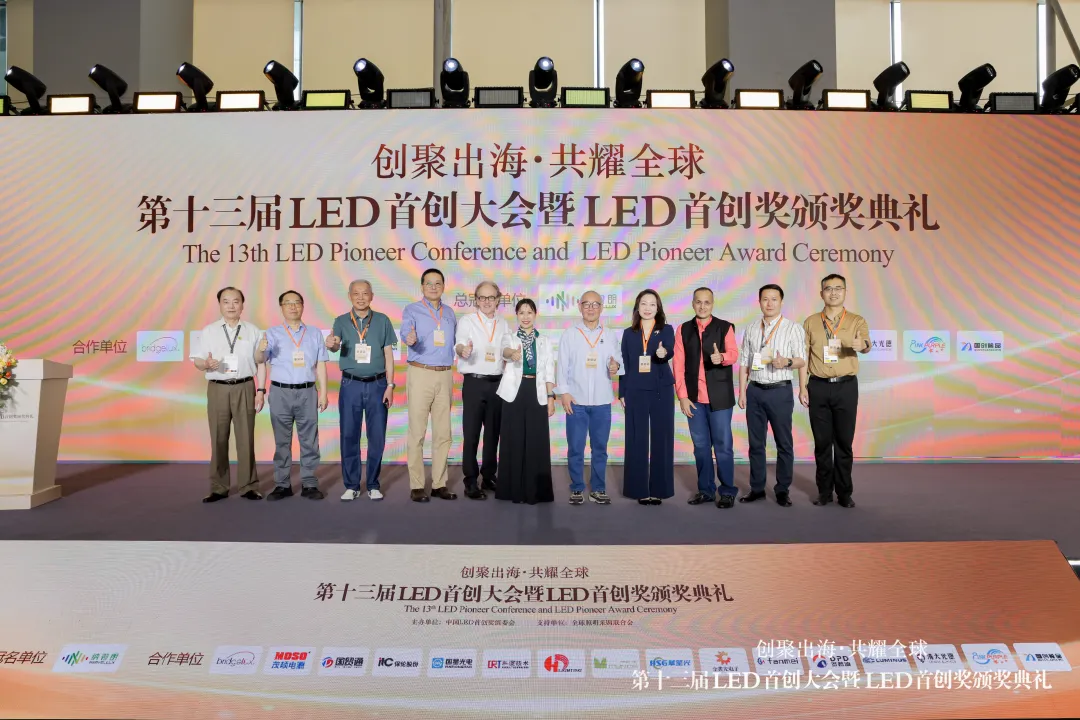
II. Opening Addresses
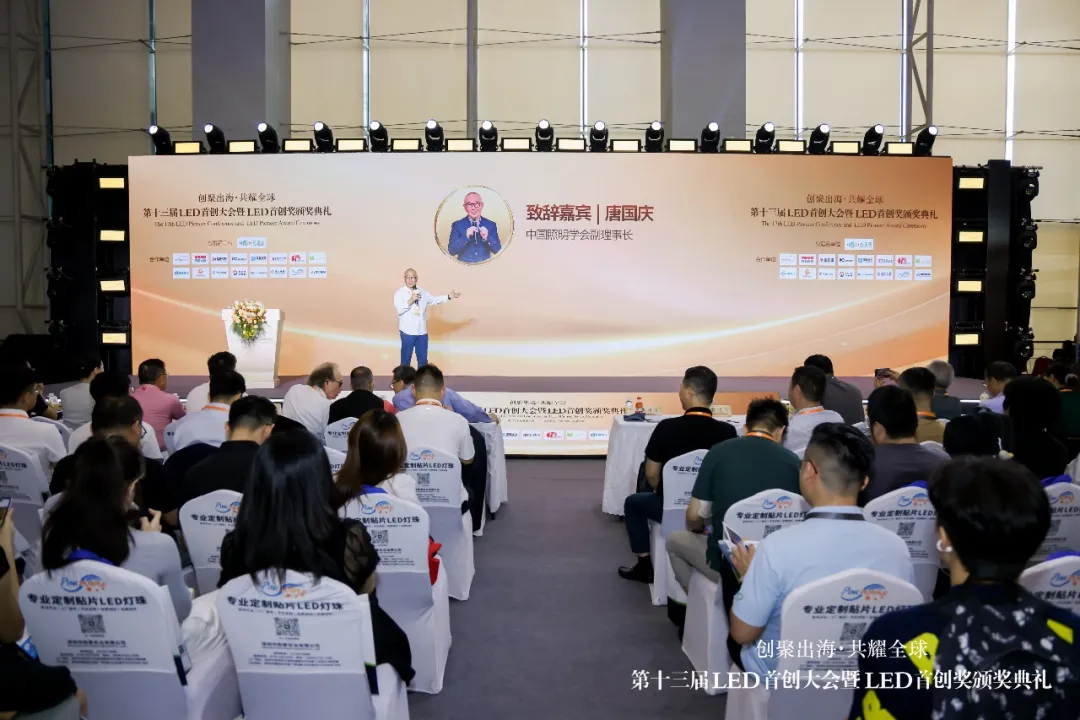
Tang Guoqing, Vice President of the China Illuminating Engineering Society, delivered the opening remarks. He noted that the spirit of pioneering innovation is the core driving force for China's LED industry to break through bottlenecks and go global, and expressed his hope that the industry would continue to be driven by innovation and occupy a higher position in the global value chain.
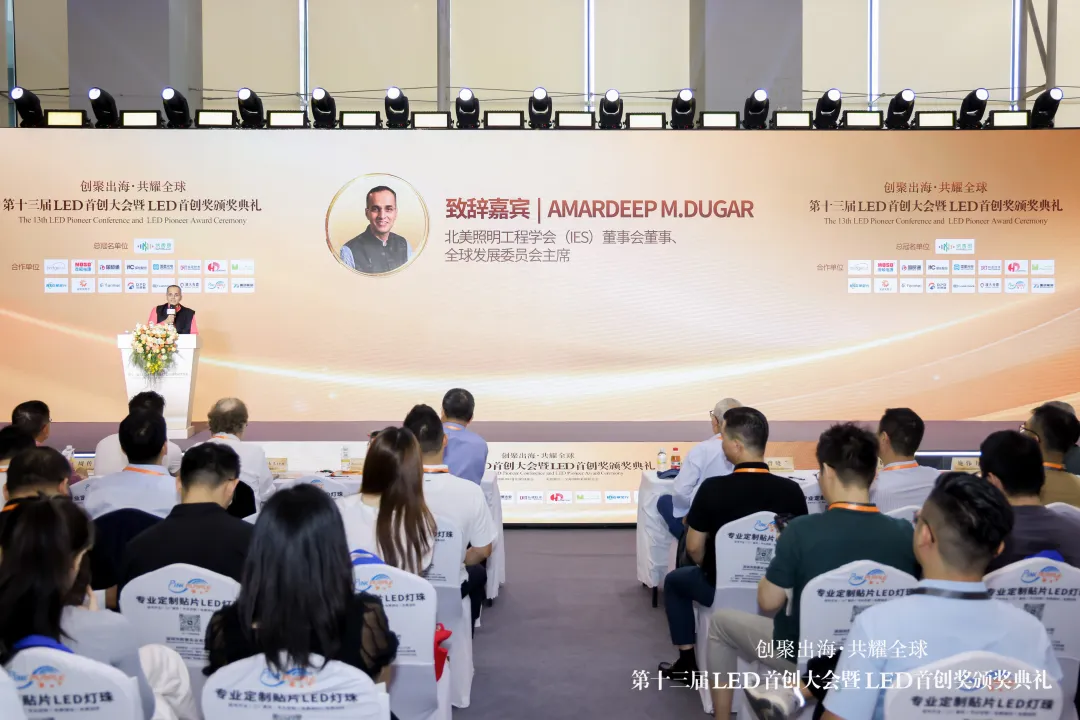
Dr. Amardeep M. Dugar, Board Director and Chair of the Global Development Committee of IES, then delivered his address. He emphasized that strengthening cooperation between IES and China's industry would open up greater possibilities for standards interoperability and market interconnectivity, and expressed high praise for the original innovation capabilities of China's LED technology.
III. Global Resource Interconnectivity
Following the opening addresses, the summit witnessed two landmark milestone ceremonies.
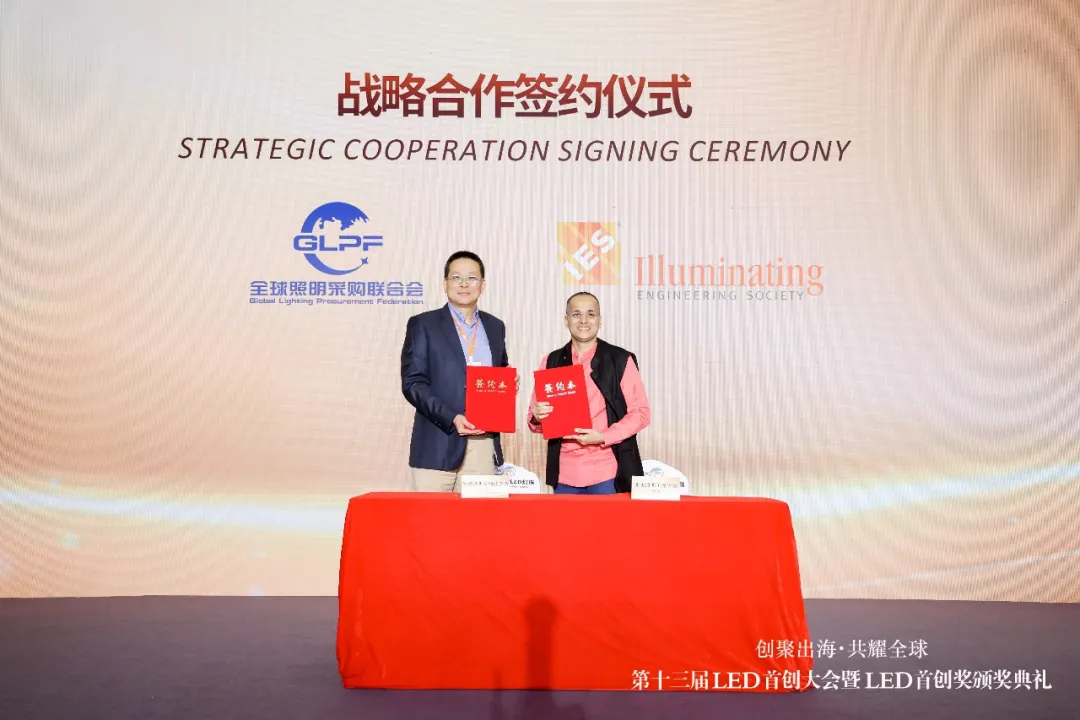
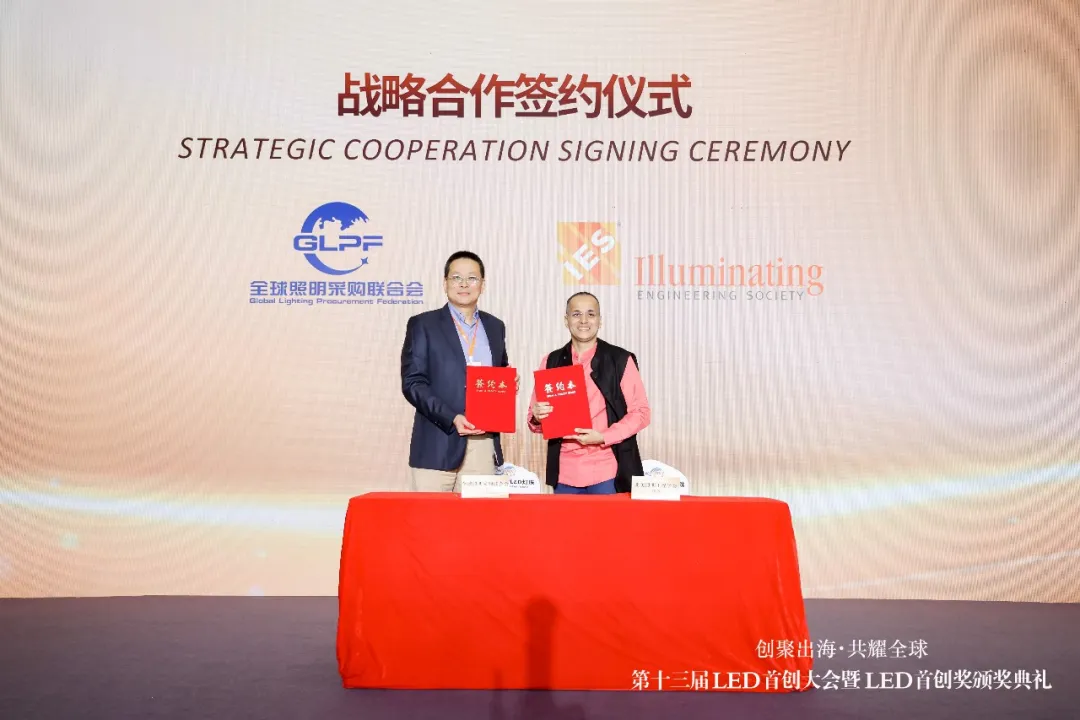
First, the Strategic Cooperation Signing Ceremony between GLPF and IES took place. In the presence of all guests, GLPF President Charlie Chen and IES Board Director Dr. Amardeep M. Dugar signed a strategic cooperation agreement as representatives of their respective organizations. This signing marks the formal launch of cooperation in the areas of standards mutual recognition, technical exchange, and global procurement alignment.
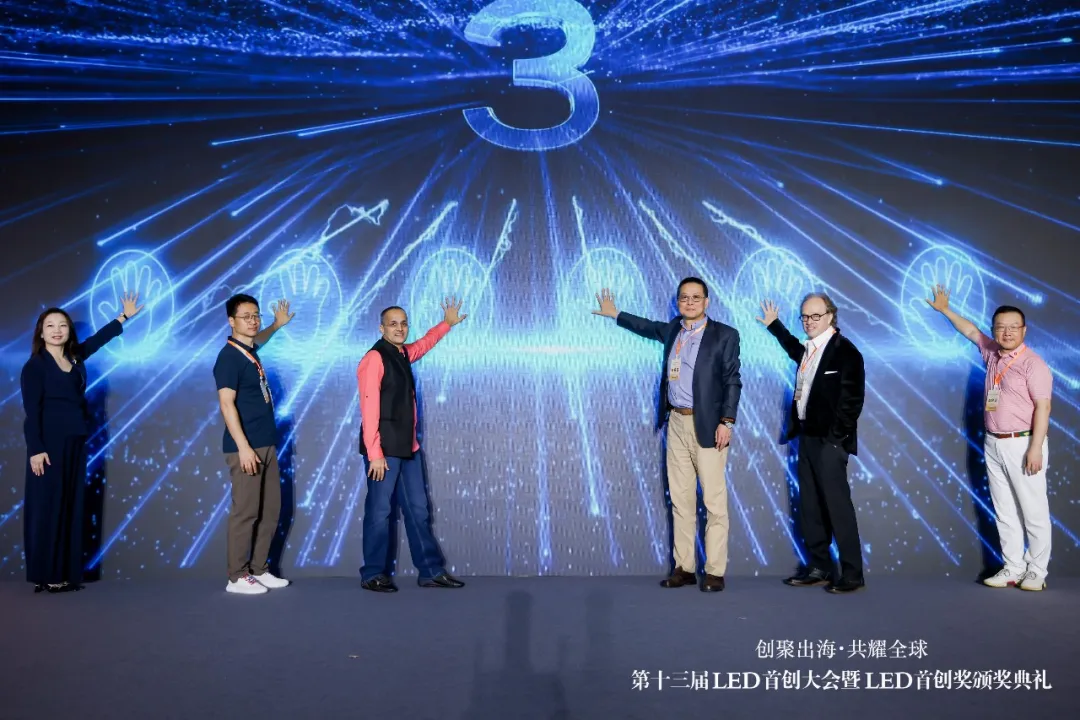
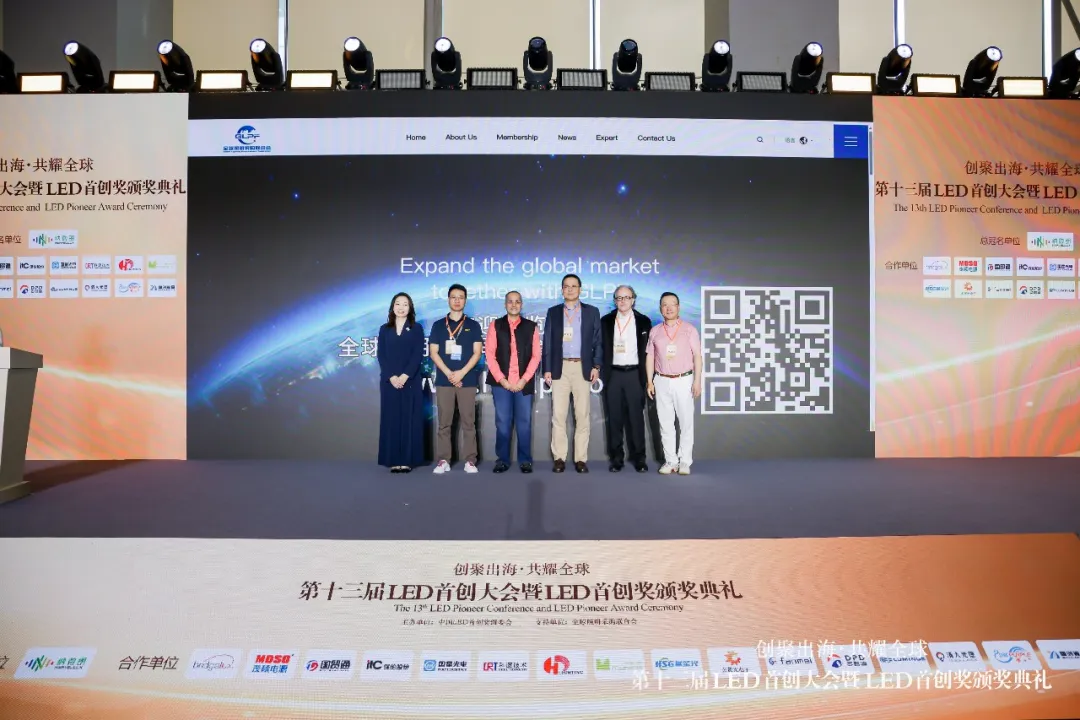
Immediately afterwards, the Official Website Launch Ceremony of the Global Lighting Procurement Federation (GLPF) was solemnly held. With a countdown, IES Board Director Dr. Amardeep M. Dugar, IES Industry Advisor Mark Lien, GLPF President Chen Lei, GLPF Executive President Zeng Xiaolan, and enterprise representatives jointly lit up the giant screen, announcing the official opening of the cloud bridge connecting global buyers with China's quality supply chain.
IV. Forum Theme 1: Intelligent Light Connectivity — AI Reshaping the New Ecosystem of Automotive Lighting
Moderator: Huang Lifang, Executive Deputy Secretary-General, SLDA
"Human Factors Engineering and AI: Building a Human-Centered Intelligent Light Interaction System"
Speech 1 — Prof. Lin Yandan (Fudan University)
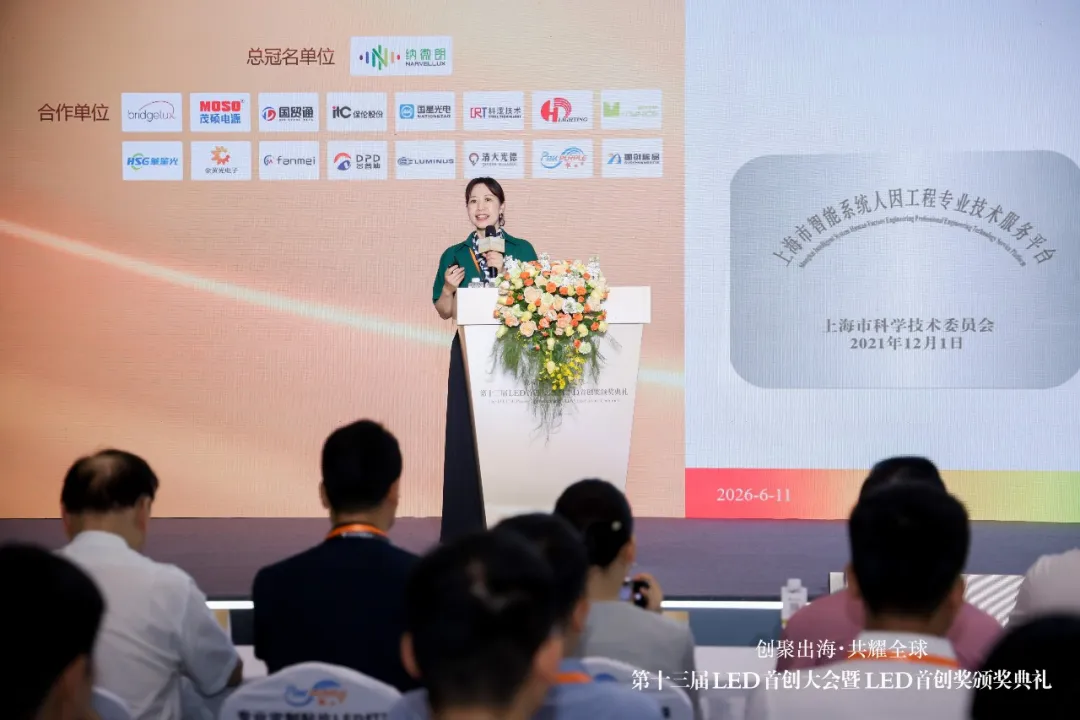
Professor Lin Yandan of Fudan University pointed out that the lighting industry is undergoing a fundamental transformation from "illuminating spaces" to "understanding people." She argued that modern healthy lighting must go beyond traditional static indicators such as illuminance and color temperature, focusing instead on the dynamic effects of the light environment on visual comfort, circadian regulation, and emotional states. By introducing human factors engineering methodology, abstract questions such as "is the light appropriate?" are transformed into measurable, verifiable scientific problems, establishing an empirical foundation in physiology and psychology for intelligent lighting.
Prof. Lin emphasized that the core value of AI technology lies in processing high-dimensional, complex human factors data to build a closed-loop intelligent light system of perception-modeling-decision-making-interaction. She shared empirical research from her team in areas including visual fatigue, in-vehicle lighting, and sleep circadian rhythms, demonstrating how machine learning models can predict human states and dynamically adjust spectrum and brightness. The future of intelligent light interaction should not merely be a stacking of parameters, but personalized service operating within the constraints of human factors boundaries, allowing the light environment to truly become a perceptible, learnable health regulation interface.
Speech 2 — Yang Jing (Chief Expert, China Automotive Technology and Research Center)
"From Lumens to Premium: How Experience Standards Drive the Value Leap of Automotive Light Branding"
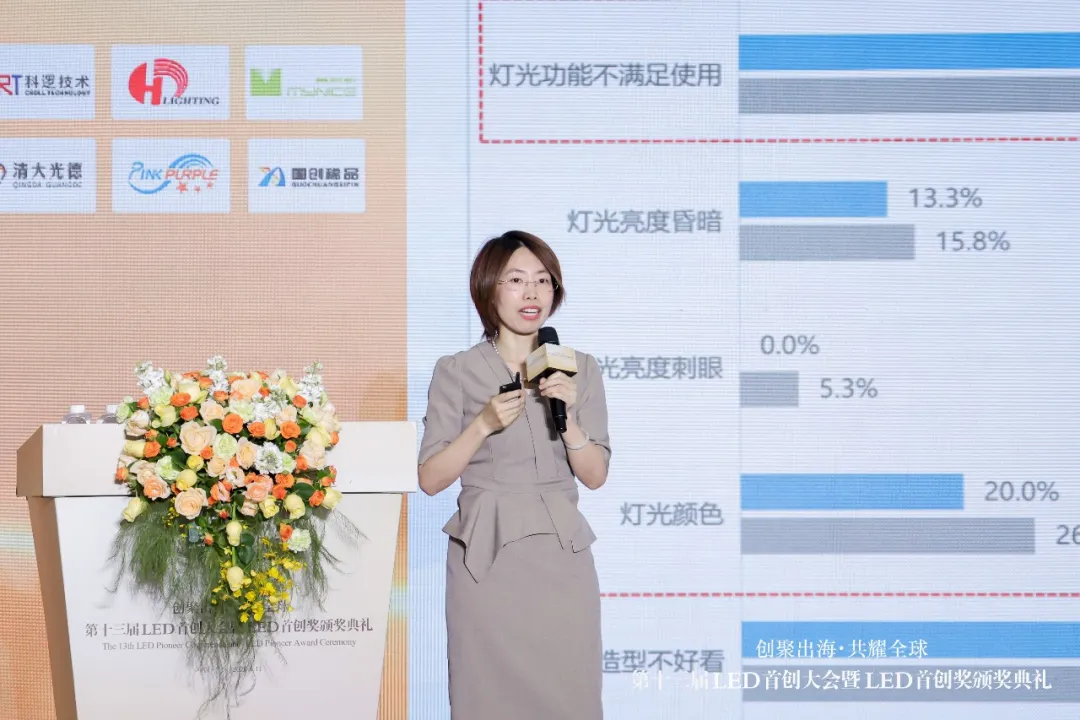
Yang Jing pointed out that automotive lighting is upgrading from a visible functional component to an emotionally intelligent light environment, yet the industry still widely falls into the trap of equating parameter compliance with experience qualification. Long-term satisfaction with high-frequency light scenarios such as ambient lighting and auxiliary illumination remains low because evaluation stays at the device level (luminous flux, electrical, and durability metrics) and lacks a human perceptual scale that can translate glare disturbance, brightness uniformity, visibility, circadian and emotional feedback into engineering language.
He therefore proposed quantifying the user experience to make good light measurable, benchmarkable, and verifiable: using multimodal data from EEG, eye-tracking, and physiological sensors to integrate visual comfort, safety visibility, and emotional pleasure into a unified indicator system; and through the Evaluation Specifications for Visual Ergonomics of Interior Lighting in Passenger Cars and a testing framework covering both static and dynamic conditions, converging premium feel, comfort, and safety from subjective descriptions into reusable development and acceptance benchmarks, turning light experience from a cost item into a core lever for supporting automotive brand premiums and NPS improvement.
Speech 3 — Yuan Xuecheng (Director of Automotive Lighting Product Line, Goertek Optics)
"Intelligent Development of Vehicle Lighting"
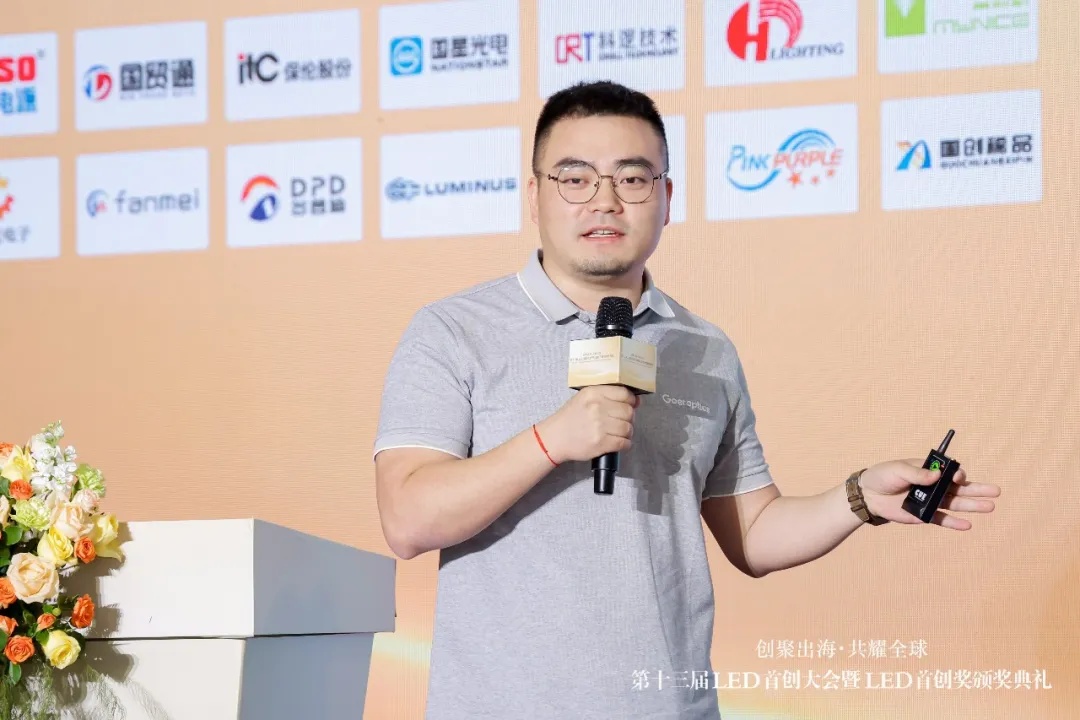
Yuan Xuecheng stated that vehicle lighting has crossed beyond purely functional illumination and is advancing toward the era of miniaturization, pixelation, and interactivity. Leveraging its deep accumulation in optics, Goertek has built a full-stack solution covering DLP digital headlights, Micro-LED modules, and ADB adaptive high beams. Through continuous optimization of optical efficiency and pixel precision, its DLP solution has achieved 40% light efficiency and a 300:1 contrast ratio, and has reached an ultra-high lateral precision of 0.012 degrees at the million-pixel control level, enabling face-level precise masking at 100 meters, thereby ensuring nighttime driving visibility while completely solving the problem of high-beam glare.
He further noted that the ultimate goal of intelligence is to construct a vehicle-human-environment visual interaction language. Goertek is extending automotive optical technology from safety illumination to cabin experience, implementing welcome and warning functions through near-field ground projection (DGP) and creating private audio-visual spaces using high-brightness, vibration-resistant in-cabin projectors (PGU). With successful validation in models such as the AITO M9, Goertek is committed to leading the industrial transformation from illuminating roads to defining scenarios through cross-boundary integration of optical technology.
Speech 4 — Tu Wu (Dean, Yishan Vehicle Lighting Research Institute, Hongli Zhihui)
"Building Standards for Vehicle Lighting Uniformity"
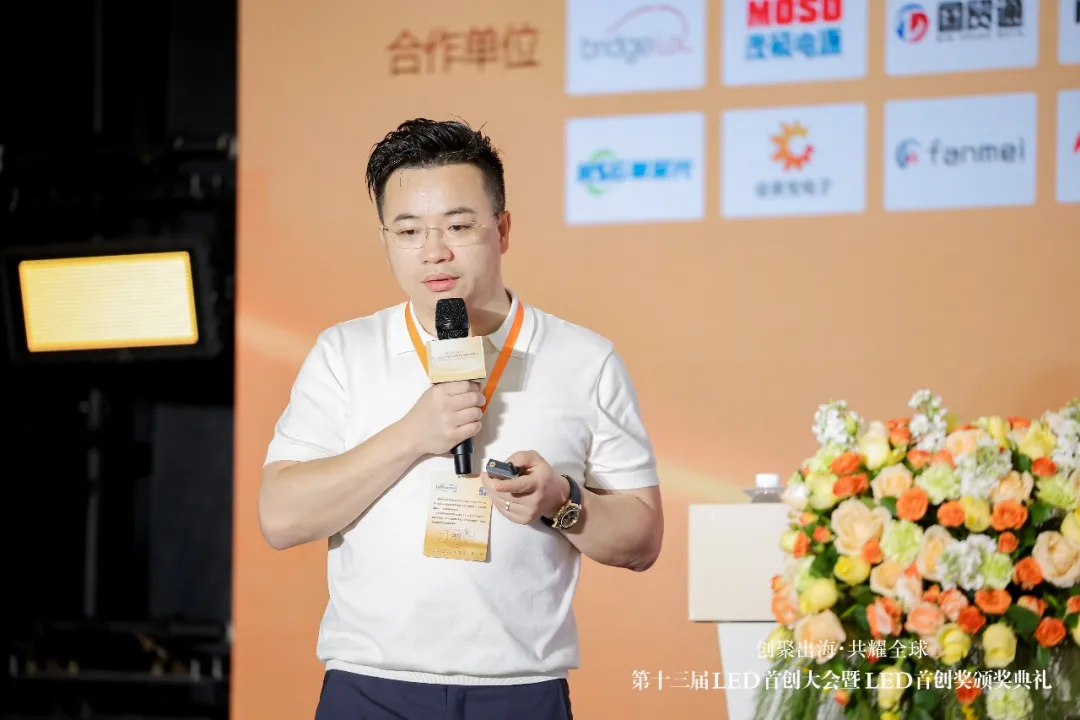
Tu Wu noted that uniformity is the core indicator for measuring the visual quality of vehicle lighting, directly affecting consumers' intuitive perception and the premium feel of a brand. He proposed a quantitative evaluation system based on the physical properties of light, specifying luminance ratio thresholds at different viewing angles (e.g., not exceeding 1.1 for frontal view, not exceeding 3 for 80-degree viewing angle), and innovatively introduced a Fresnel law correction mechanism to exclude physical luminance decay regions caused by grazing incidence, avoiding the misjudgments caused by a one-size-fits-all approach in traditional standards.
Regarding engineering challenges for improving uniformity, Tu Wu compared the advantages and disadvantages of multi-layered patterns, diffusion materials, and grain structures through extensive experimental data. He noted that uniformity and optical efficiency are in natural tension, requiring designers to seek a balance between the two. By optimizing the distribution of light guide structures and secondary light sources, luminance discontinuity issues can be effectively improved. The establishment of this standard not only provides automakers with an executable basis from design to acceptance, but also drives domestic vehicle lighting to leap from functional compliance to sensory quality.
V. Platform Synergy: Inauguration of the Automotive Light Source Professional Committee
During the forum, another highlight moment arrived: the Shenzhen Lighting & Display Engineering Industry Association Automotive Light Source and Vehicle Lighting Professional Committee was officially established. As the automotive industry deepens its transformation toward electrification and intelligence, vehicle lighting is no longer a single illumination component but has become the core interface for intelligent interaction and safety experience in complete vehicles. The establishment of the committee aims to bridge industrial chain gaps from chips, packaging, optics, and modules to complete vehicles; to build a collaborative innovation platform for industry, academia, research, and application; and to secure the right to set standards and shape the ecosystem in the field of intelligent vehicle lighting.
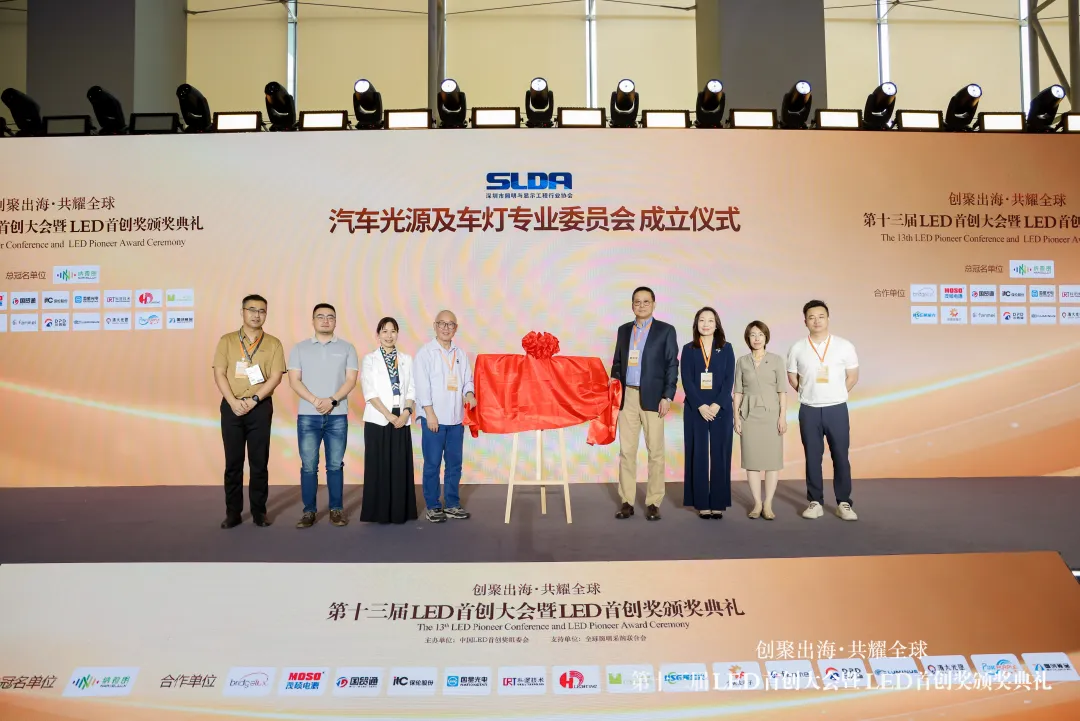
In the presence of all guests, Tang Guoqing, Vice President of CIES, and Chen Lei, President of GLPF, jointly unveiled the committee.
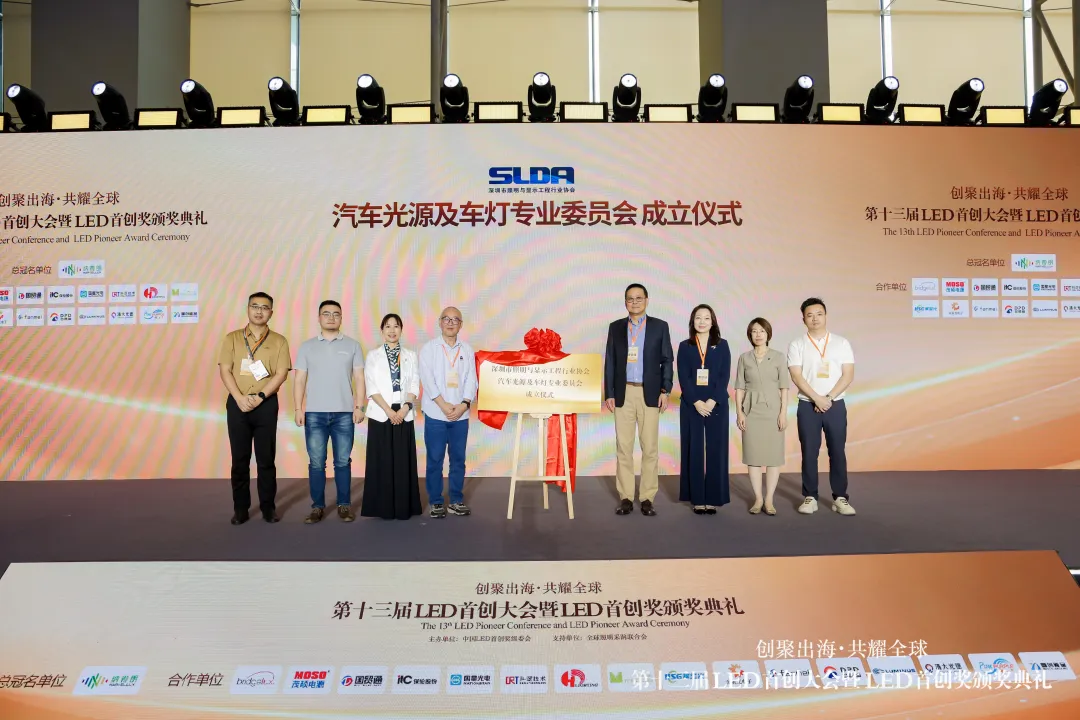
The summit then announced the committee's core organizational structure:
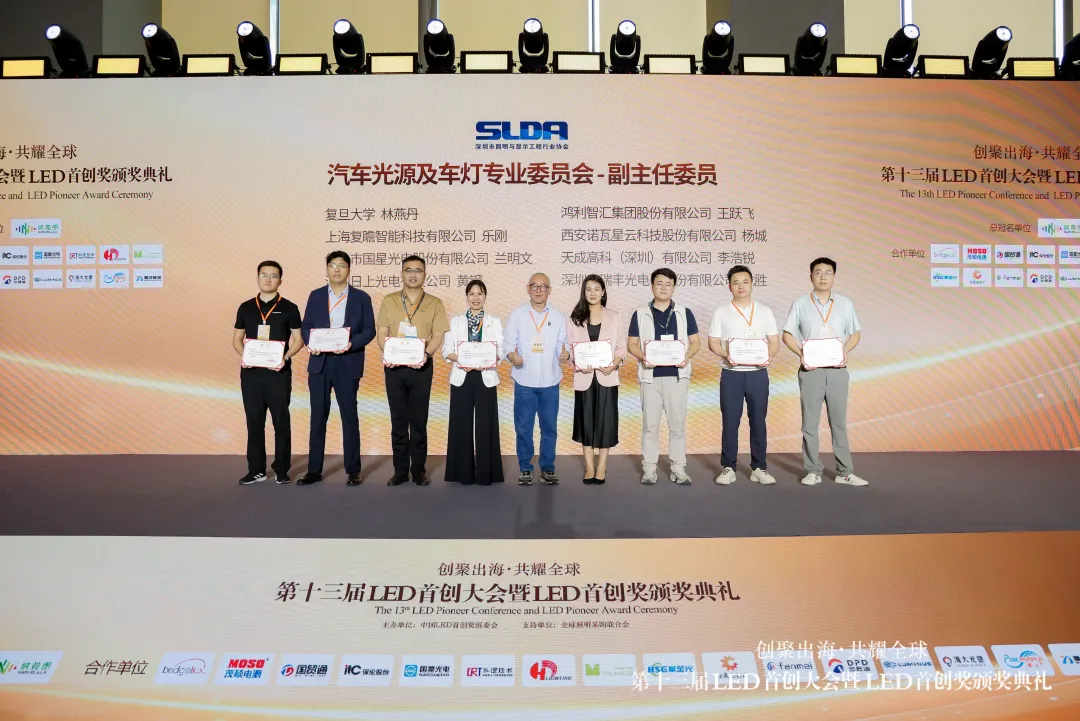
·Director: Tang Guoqing (Vice President, China Illuminating Engineering Society)
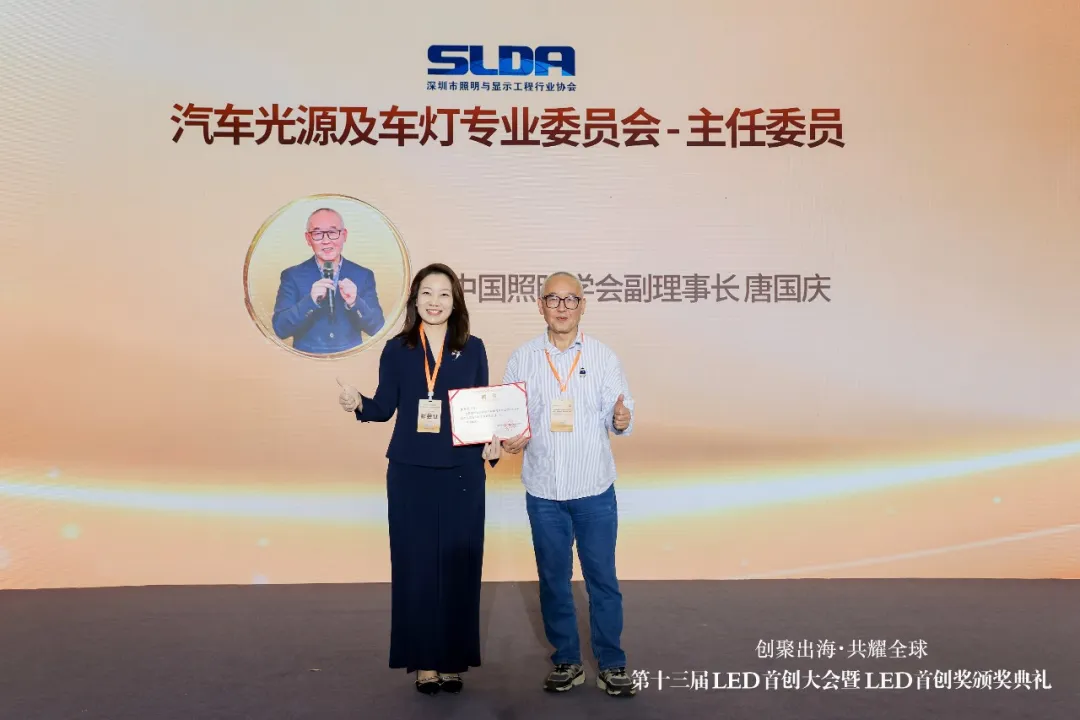
·Deputy Directors: Lin Yandan (Fudan University), Yue Gang (Shanghai Fuzhan Intelligent Technology), Lan Mingwen (Foshan NationStar Optoelectronics), Huang Gang (Shenzhen Sunrise Optoelectronics), Wang Yuefei (Hongli Zhihui Group), Yang Cheng (Xi'an NOVA Star Technology), Li Haorui (Tiancheng Hi-Tech), Long Sheng (Shenzhen Refond Optoelectronics)
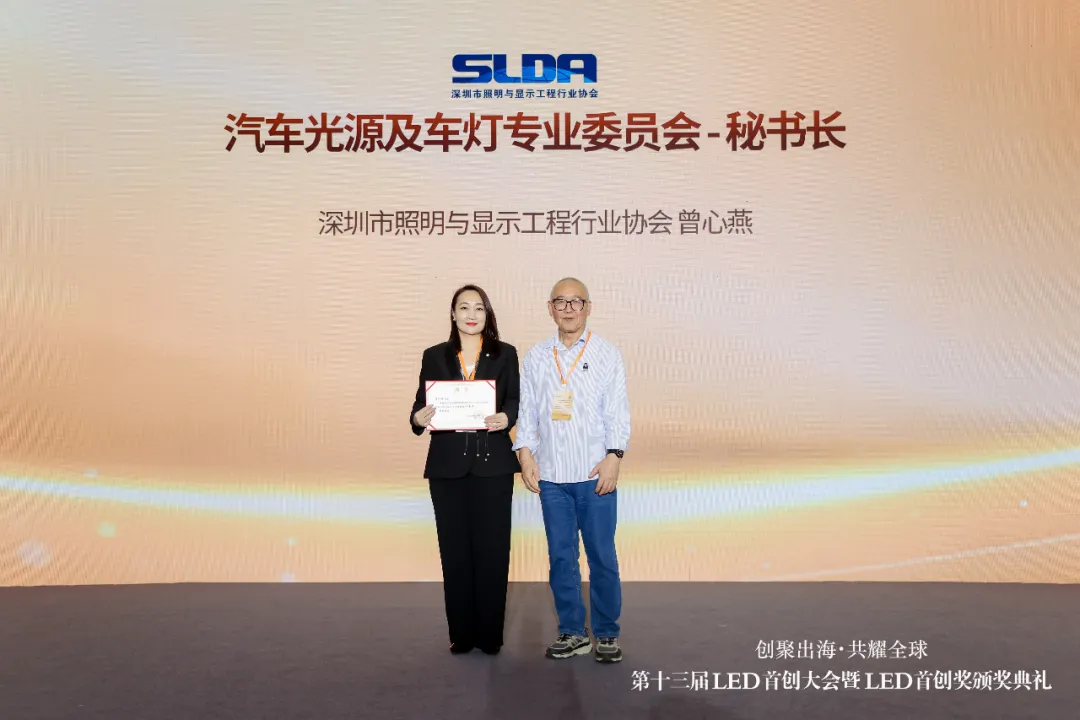
·Secretary-General: Zeng Xinyan (Shenzhen Lighting & Display Engineering Industry Association)
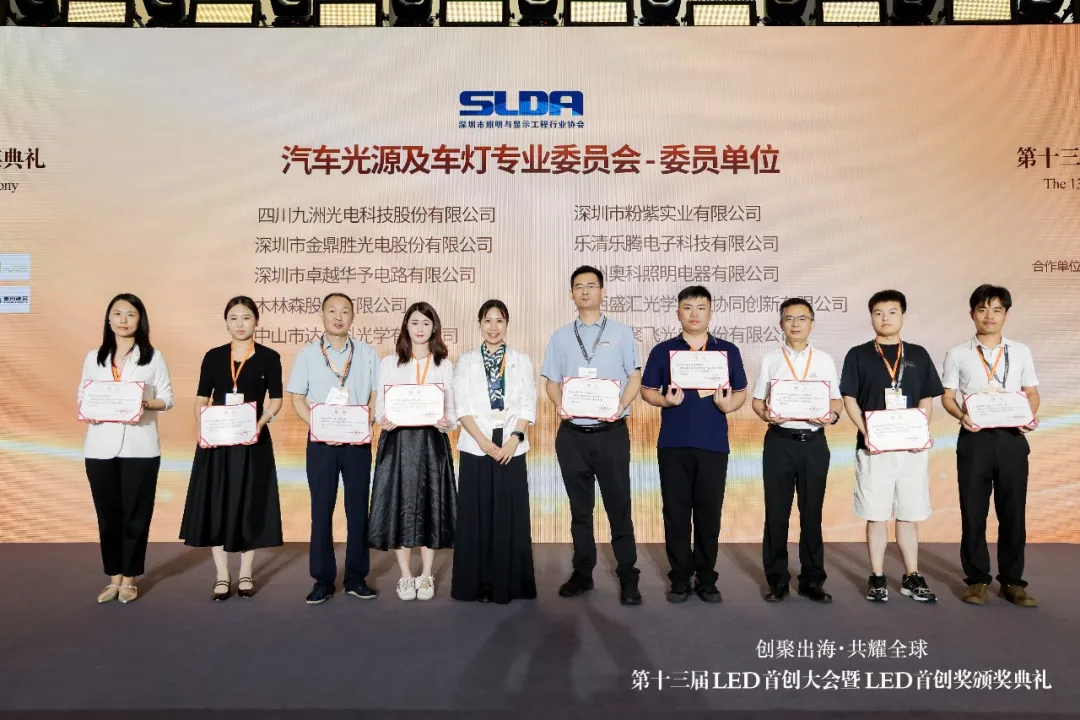
First Batch of Member Units:
Sichuan Jiuzhou Optoelectronics Technology Co., Ltd. | Shenzhen Jindingsheng Optoelectronics Co., Ltd. | Shenzhen Zhuoyuehuayu Circuit Co., Ltd. | Mulinsen Co., Ltd. | Zhongshan Darco Optics Co., Ltd. | Shenzhen Fenzhi Industrial Co., Ltd. | Yueqing Leteng Electronics Technology Co., Ltd. | Guangzhou Aoke Lighting Co., Ltd. | Jiangxi Shenghui Optical Technology Collaborative Innovation Co., Ltd. | Shenzhen Jufei Optoelectronics Co., Ltd.
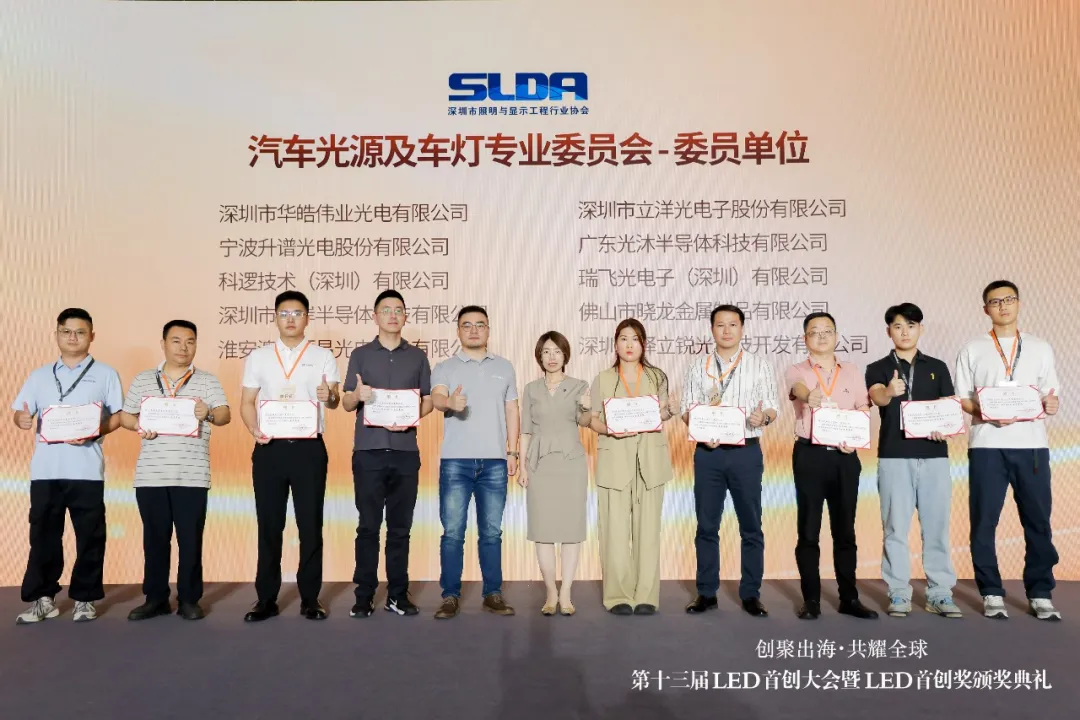
Second Batch of Member Units:
Shenzhen Huahaoweiye Optoelectronics Co., Ltd. | Ningbo Shengpu Optoelectronics Co., Ltd. | Kelog Technology (Shenzhen) Co., Ltd. | Shenzhen Cross-Strait Semiconductor Technology Co., Ltd. | Huaian Aoyang Shunchang Optoelectronics Technology Co., Ltd. | Shenzhen Liyang Optoelectronics Co., Ltd. | Guangdong Guangmu Semiconductor Technology Co., Ltd. | Ruifei Optoelectronics (Shenzhen) Co., Ltd. | Foshan Xiaolong Metal Products Co., Ltd. | Shenzhen Yili Ruisharp Lighting Technology Co., Ltd.
VI. Forum Theme 2: Global Co-Building — Practical Pathways for the Globalization of China's LED Supply Chain
Speech 5 — Huang Feng (Chair, DALI Alliance China Focus Group)
"Embracing International Standards, Connecting to Global Markets"
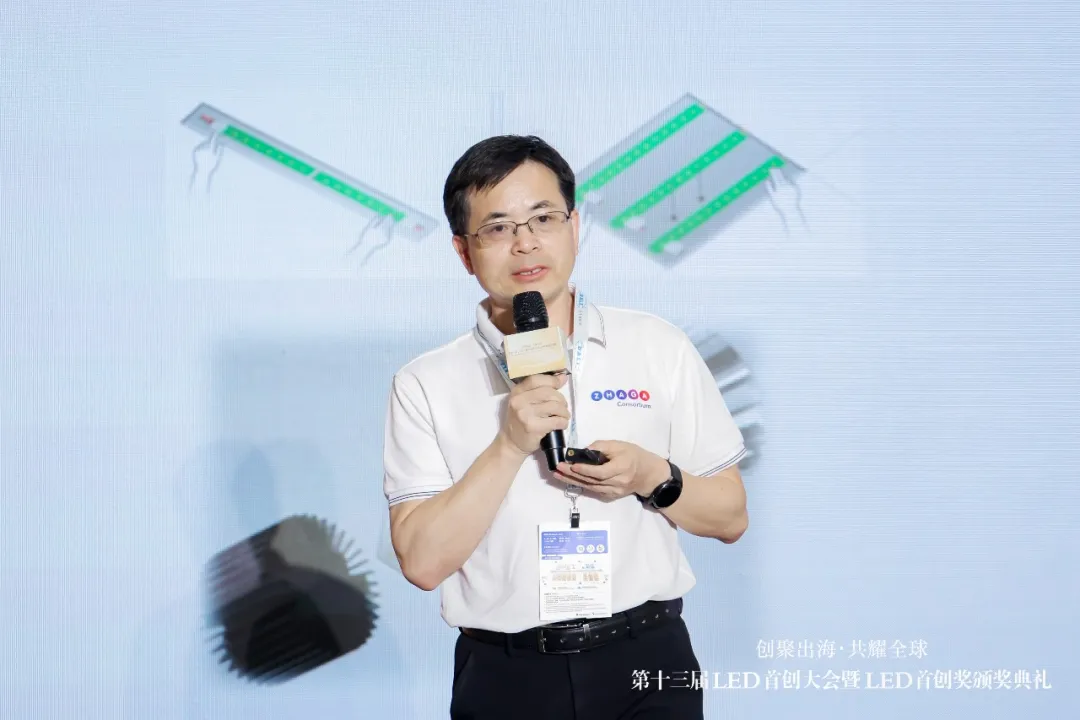
Huang Feng argued that for China's intelligent lighting to truly go global, the key is to make interoperability a deterministic capability. DALI, as an open global digital lighting interface system (with IEC 62386 as its unified underlying language), incorporates dimming control, sensing, driving, and data into a unified verifiable standard framework through DALI-2 certification and DiiA specifications. This ensures the simplicity and stability of wired systems while also integrating wireless ecosystems such as Bluetooth Mesh into a unified control domain through gateways, transforming project delivery from each manufacturer's proprietary protocol into an open system that is globally reusable, auditable, and maintainable.
He further emphasized that the value of standards does not stop at the control protocol layer. The Zhaga alliance promotes standardization of electrical, mechanical, optical, thermal, and communication interfaces for key luminaire components toward replaceable light cores and circular lighting. Combined with DALI/D4i's device data and energy efficiency diagnostic capabilities, this can significantly reduce life-cycle costs and replacement risks in commercial, industrial, and outdoor road scenarios.
Speech 6 — Mark Lien (Industry Advisor, IES)
"A Professional Interpretation of the TM-30 Standard"
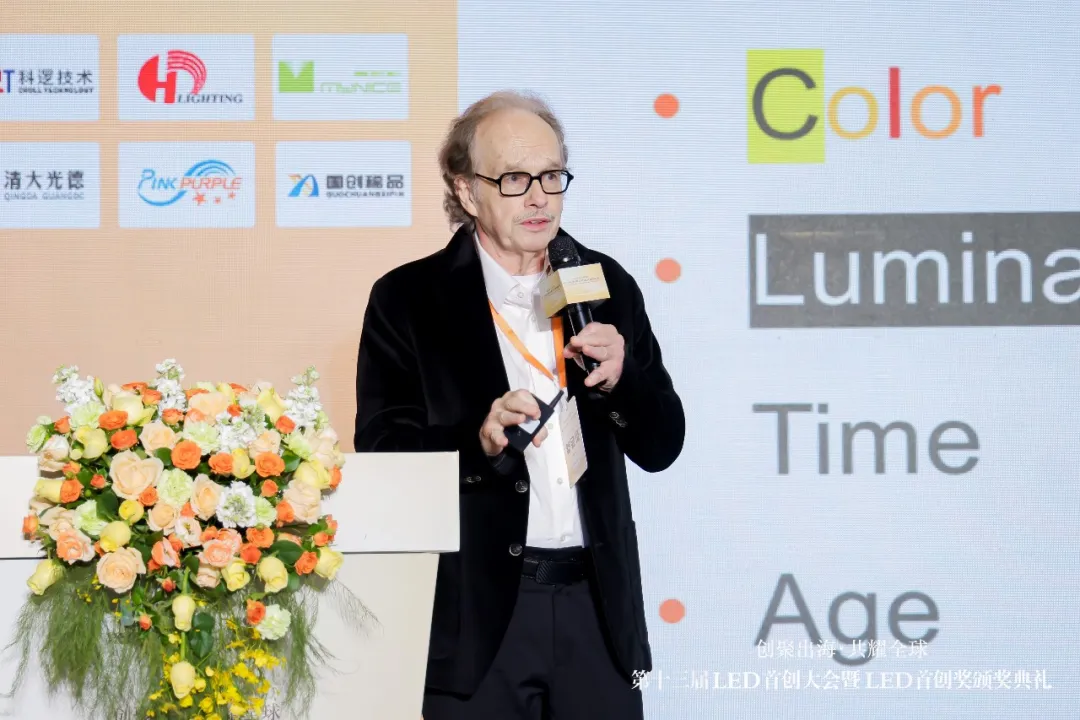
IES Industry Advisor Mark Lien provided a readable and practical interpretation of ANSI/IES TM-30 for engineering and procurement audiences. Compared to the CRI (based on only 8 narrow samples, providing only an average similarity score Ra), TM-30 expands the evaluation samples to 99 Color Evaluation Samples (CES) and uses a two-layer framework of overall index plus per-hue-angle shift to clearly explain whether colors look right, whether they are saturated, and whether they shift. The core purpose is to make the color appearance and rendering behavior of a light source auditable, comparable, and specifiable in tender documents.
He focused on explaining the two most commonly used quantitative metrics in TM-30: the Fidelity Index (Rf, where a value closer to 100 indicates greater overall similarity to the reference light source) and the Gamut Index (Rg, indicating the change in average saturation; Rg greater than 100 means more saturated, less than 100 means more desaturated). He also used the Color Vector Graphic to illustrate that behind the same Rf value, there can still be structural differences such as over-saturation or under-saturation in certain hue ranges. He reminded practitioners that chromaticity consistency should be managed using the MacAdam ellipse approach, and that TM-30 should be implemented by specifying Rf/Rg ranges by scenario and performing spectrally verifiable checks using IES recommended tools, transforming high color rendering from a marketing claim into a technically verifiable acceptance condition.
Speech 7 — Li Hailang (Senior Trade Analyst, International Trade Data Technology)
"Navigating the Cycle: A Data-Driven View of the 2026 Global Lighting Trade Landscape and Breakthrough Strategies"
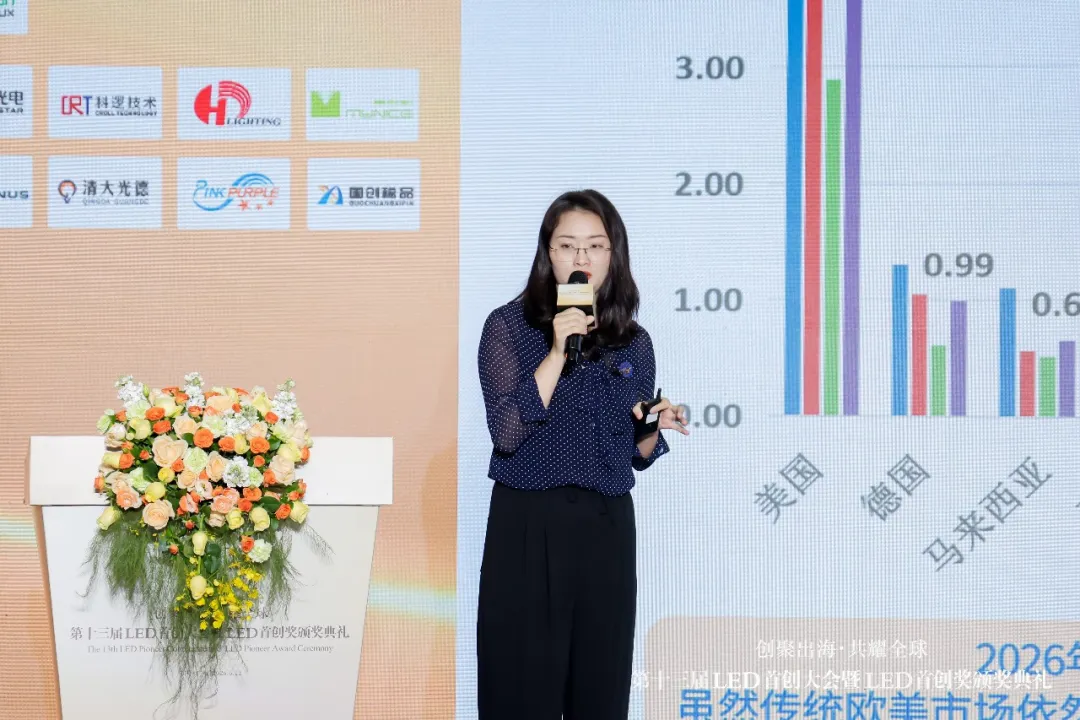
Based on customs data from 2023 to 2026, Li Hailang pointed out that global lighting trade is at a critical inflection point where broad-based growth is ending and structural divergence is beginning. Traditional core markets face severe challenges: North America, as the largest export destination, saw a cumulative decline of over 32% over three years, and the Southeast Asian market also fell by 21.7%. In contrast, infrastructure-driven emerging markets represented by West Africa and East Africa achieved counter-cyclical growth with significantly increased market shares, requiring enterprises to transform from capacity output to precise market matching.
He proposed a data-driven, full-chain marketing closed loop as a breakthrough strategy: before exhibitions, leveraging customs import/export data to identify high-growth active buyers; during exhibitions, using digital tools to build customer profiles and verifying qualifications using Dun & Bradstreet codes; after exhibitions, implementing customized solution outreach and private domain cultivation based on historical transaction price ranges. Only by converting one-time exhibition traffic into manageable data assets can companies achieve the transition from groping in the dark to following a clear map during an industry downturn.
Speech 8 — Wang Chang (Product Director, Shenzhen Moso Electronics Technology)
"High-Performance Intelligent LED Drivers Empowering New Developments in Road Lighting"
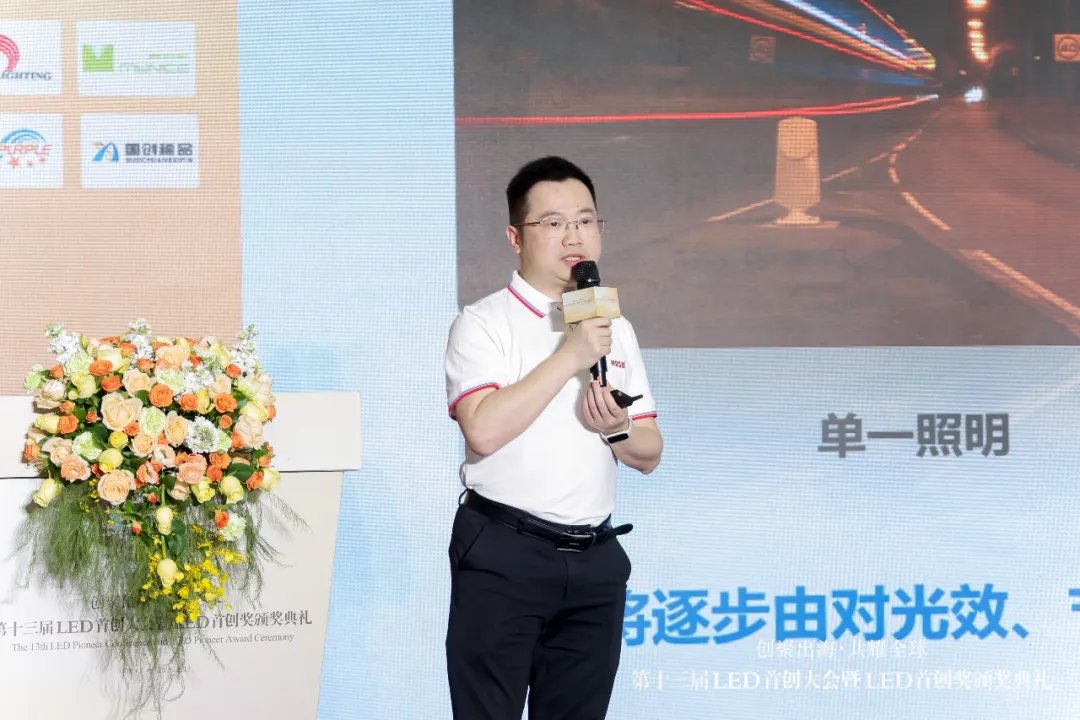
Wang Chang noted that the smart city lighting market is rapidly expanding at a CAGR of 20.4%, but the industry still faces three key pain points: difficult operation and maintenance, weak data capabilities, and high energy consumption. Moso has built a comprehensive all-scenario protection system: ensuring stability in extreme weather through IP67 protection, adaptation to extreme cold down to -60°C, and surge protection of up to 15KV; and pioneering a 220V dimming line withstand voltage technology for special scenarios such as tunnels. A three-tier quality control system (EVT, DVT, PVT) combined with 16 years of road lighting experience provides a warranty commitment of up to 10 years.
He highlighted Moso's landmark project assisting in the renovation of 196,000 streetlights in central Beijing under China's Dual Carbon national strategy. Data shows that road illuminance increased by an average of 122.3% after renovation, with an overall energy savings rate of up to 40%, saving 51.2 million kWh per year in the first phase alone and reducing carbon emissions by 29,000 tons. The X6 and X7 series intelligent drivers achieve efficiency of up to 95%, 1.5%-2% higher than the industry average. Taking a city with 200,000 streetlights as an example, efficiency improvements alone can save 1.73 million kWh per year.
Speech 9 — Li Yurong (R&D Director, Optoelectronic Devices BU, Foshan NationStar Optoelectronics)
"New Choices in Optoelectronic Isolation: NationStar Optocouplers Performance and Applications"
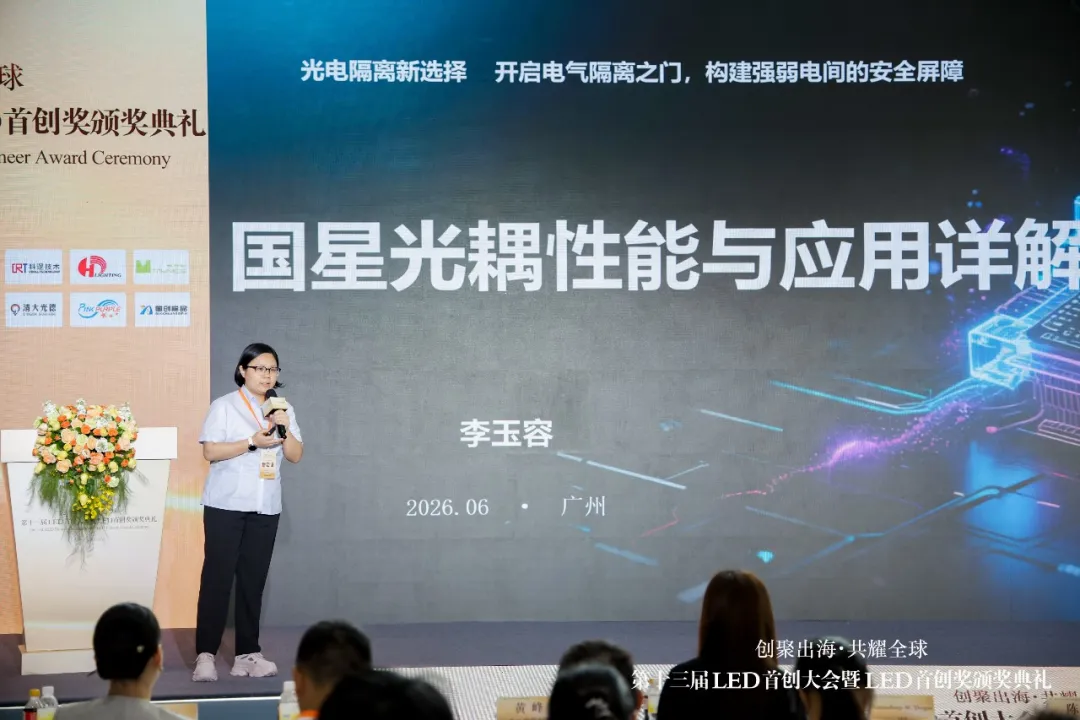
Li Yurong stated that NationStar leverages its LED optoelectronic technology and large-scale packaging manufacturing foundation to turn optocouplers into certified safety barriers between strong and weak electrical circuits. Products cover transistor output, thyristor output, and high-speed isolation directions; packaging forms range from DIP-4/SMD-4 to 2mm ultra-thin LSOP4 miniaturized formats; and the company provides support from a safety certification system including CQC/VDE/UL and CNAS-level testing and failure analysis capabilities. Key indicators such as high-temperature life (up to 110°C) and dielectric withstand voltage (typical 3750Vrms/5000Vrms isolation voltage) are verifiable and deliverable.
At the application level, she used examples including PLC high-voltage signal acquisition with encoder long-distance interference suppression, ultra-thin SMD optocouplers for secondary-side feedback in fast chargers, and the FOC-30XM4 thyristor optocoupler driving AC loads such as coffee machines, hair dryers, and ovens. NationStar Optocouplers are positioned as a new choice for domestic substitution and upgrading, combining international first-tier performance benchmarking with automation-driven scale and local supply chain responsiveness.
Speech 10 — Dr. Yan Chunhui (CEO, Nawei Lang Optoelectronics Technology)
"Multi-Wavelength GaN Chip Solutions for Indoor Semiconductor Healthy Lighting"
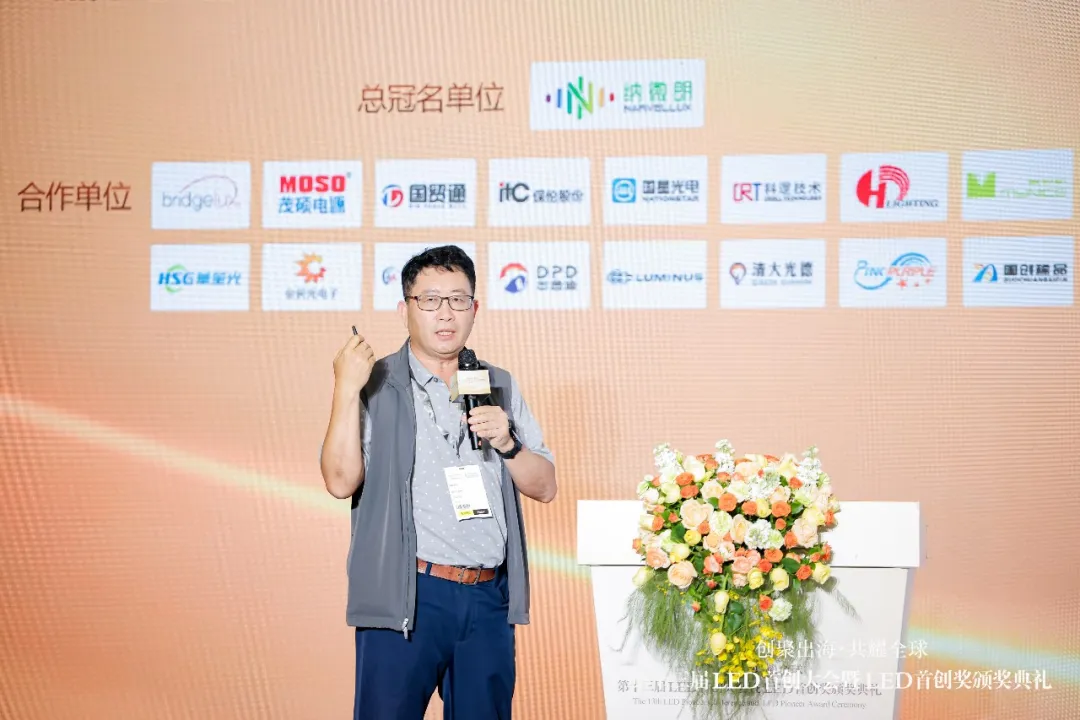
Dr. Yan Chunhui pointed out that the logic of the semiconductor lighting industry has fundamentally shifted from energy efficiency first to health first, optimizing the light environment around human needs. However, the industry mainstream of blue light chip plus phosphor inherently suffers from excessively high blue light peaks, discontinuous spectra, flicker, and spectral drift, and has long been constrained by overseas white light patent blockades. Nawei Lang's original EPLED single-chip multi-wavelength GaN chip technology integrates multiple wavelength light-emitting units on a single chip, achieving continuous spectrum and natural-light restoration, while ensuring high stability of the spectrum with changes in current. This unifies eye protection, circadian rhythm regulation, and low-carbon high-efficiency from the foundational level.
The speech further disclosed Nawei Lang's dual-track implementation pathway: rolling out a phosphor-free all-GaN white light chip (EP-BY / EP-BGR) solution that completely bypasses the traditional phosphor conversion system and patent barriers; and outputting a multi-tier healthy lighting SPD portfolio via the EPLED + Superchip platform, flexibly adapting to diverse indoor scenarios. Dr. Yan predicted that healthy lighting penetration rates will rise rapidly in the next 3-5 years, and non-visual biological health indicators will gradually be incorporated into mandatory standard systems.
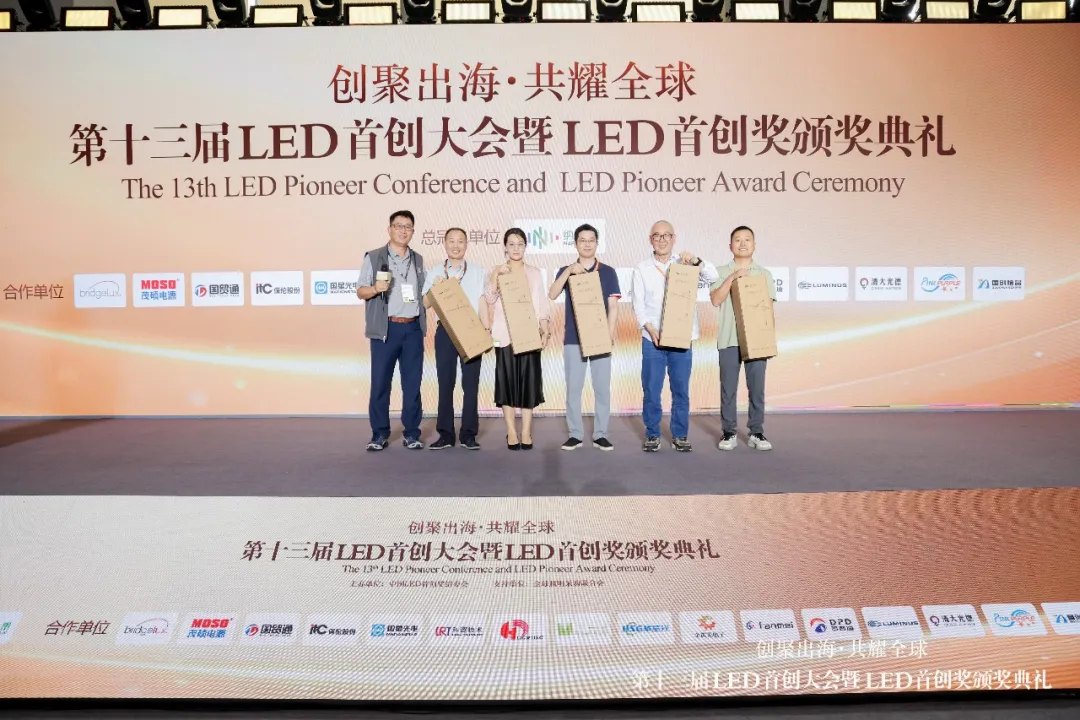
Following Dr. Yan's speech, Nawei Lang Optoelectronics sponsored an on-site lucky draw. As the winning numbers were announced, dozens of attendees received warm night lights, bedside lamps, and eye-care desk lamps, bringing the atmosphere to a climax.
Speech 11 — Xie Hui (GM of Indoor Lighting Division, Jiangxi Jinhuang Technology Group)
"Jinhuang's LED Phosphor-Free Lighting Technology and Applications"
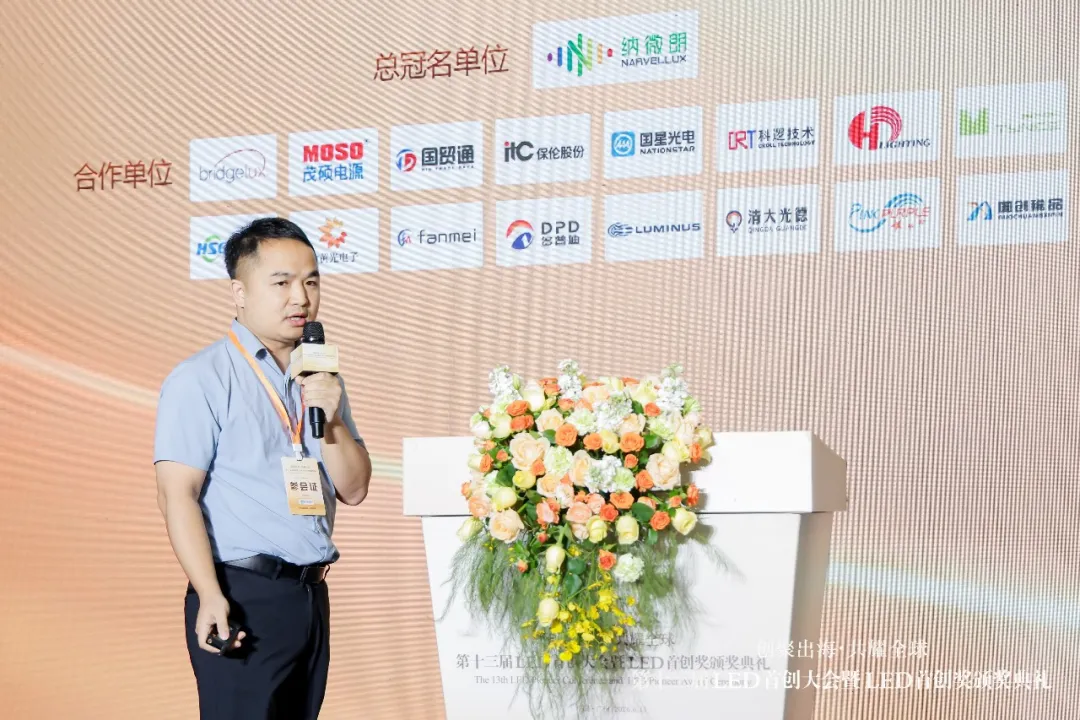
Xie Hui introduced that Jinhuang's technology route, built upon years of research by the National Silicon-Based LED Engineering Technology Research Center / Nanchang Laboratory (the team led by Academician Jiang Fengyi), follows a phosphor-free, low-color-temperature emission pathway. Using silicon-based gallium nitride systems to directly produce golden-yellow wavelength bands eliminates the root-cause contradictions in the traditional blue light chip excites phosphor solution, achieving a more continuous and controllable spectral form and a longer expected lifespan. Light source specifications include approximately 1800K-2200K, Ra > 80, R9 > 50.
He specifically grounded the health claims in a verifiable external evidence chain: citing third-party testing and published literature showing that Jinhuang light has a smaller impact on the viability of retinal pigment epithelial cells, can reduce the risk of intracellular oxidative stress-related damage, and does not suppress melatonin secretion at night. From an industrialization perspective, Jinhuang Group is advancing this original light source from laboratory scale to engineering implementation, participating in national key R&D programs and contributing to the drafting of national mandatory and industry standards. Their solutions cover residential lighting, educational eye-care, maternal and infant sleep lights, elderly care lighting, and municipal road, bridge, tunnel, and cultural tourism street projects, with more than 500 demonstration projects across multiple provinces and cities.
Speech 12 — Zhang Li (VP Operations, Shenzhen Maines Optoelectronics)
"Expanding Overseas Markets, Building Domestic Foundations — The Practical Path of China's LED Enterprises' Bidirectional Supply Chain Layout"
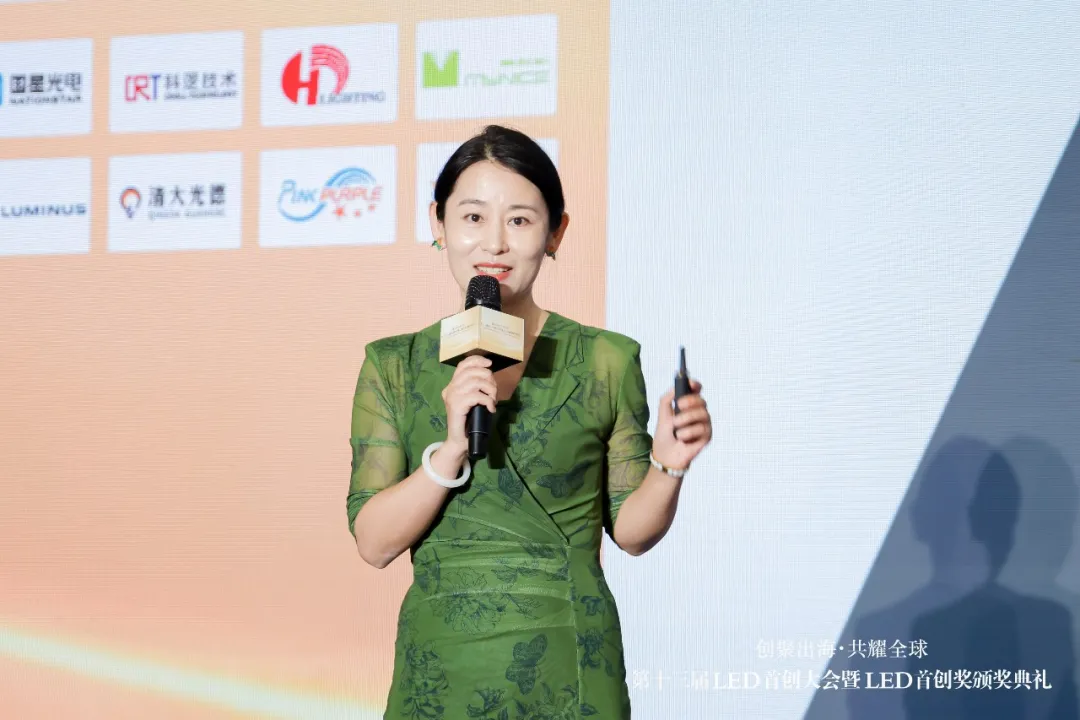
Zhang Li pointed out that China's LED industry has moved from a land-grab era into a mature phase of intensive cultivation. A single-market strategy offers weak risk resistance, and only a dual-engine model of refining technology domestically while expanding markets overseas is the core solution for navigating industry cycles. Using MYNICE as an example, she showed how the company pursues a domestic plus overseas parallel dual-track capacity layout: turning the Shenzhen headquarters into a core fortress for R&D and quality control, while establishing overseas intelligent manufacturing bases in Myanmar and Cambodia. Leveraging local tariff advantages and low-cost resources, the company effectively avoids international trade friction risks and achieves globally optimal supply chain configuration.
Zhang Li emphasized that the essence of the bidirectional layout lies in building a virtuous closed loop between a domestic proving ground and an overseas application field. Domestically, Maines relies on CNAS and UL dual-certified laboratories to deeply cultivate new tracks in smart lighting and specialized lighting, mastering over 60 core patents including AGCT micro-lens technology. Overseas, the company precisely enters high-end markets in Europe, the Americas, Japan, and Australia, through cooperation with international giants such as BP and Shell upgrading Made in China to China Brand. This synergistic model has achieved an overseas revenue ratio as high as 70% and provides the industry with a replicable practical model for going global.
Conclusion
With this, the thematic forum sessions of the 13th LED Pioneer Summit concluded successfully, delivering to the industry a truly inspiring intellectual feast. The summit not only showcased the depth of China's LED innovation capabilities but also opened a new chapter in global cooperation, charting a forward-looking course for the internationalization of the industry.
Event Coverage | 2026.06.18
Event Coverage | 2026.04.21
Event Coverage | 2026.03.11
Event Coverage | 2025.09.24
Event Coverage | 2025.08.16

全球照明与建筑电气领域的顶级盛会——2026年法兰克福国际灯光照明及建筑技术与设备展览会(Light + Buildin…
2026.03.09
全球照明与建筑电气领域的顶级盛会——2026年法兰克福国际灯光照明及建筑技术与设备展览会(Light + Buildin…
2026.03.09
2026年1月12日,第19届中东(迪拜)国际照明及智能建筑展览会(Light + Intelligent Building Middle East 2…
2026.01.03
广州,2026年6月11日——在第十三届LED首创大会现场,全球照明采购联合会(GLPF)与北美照明工程学会(IES)…
2026.06.18
广州,2026年6月11日 — 六月的羊城,光潮涌动。以“创聚出海·共耀全球”为主题的第十三届LED首创大会暨LED…
2026.06.18
在逆全球化浪潮与地缘政治交织的当下,中美照明行业的技术互通、市场协同正面临挑战——如何打破壁垒、激活产…
2025.09.09
拉斯维加斯,2025年5月7日—— 正在美国拉斯维加斯会展中心举办的2025年美国国际照明展(LightFair)上,全球…
2025.05.08
为响应东南亚照明市场蓬勃发展的机遇,解决中企出海痛点,助力全球照明产业链高效协同,2025年6月24日,全球…
2025.06.25
Shenzhen Office: 907, Building C, Qianhai Excellence Times Square, Bao'an District, Shenzhen
Email:glpf2025@yeah.net
Follow GLPF


Copyright © 2026 Global Lighting Procurement Federation (GLPF) All rights reserved